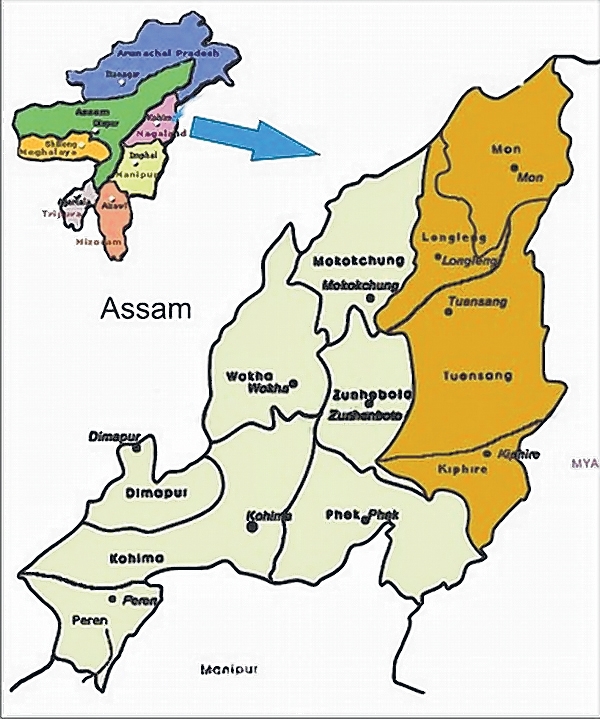
The recent signing of a tripartite agreement between the Eastern Nagaland People’s Organisation (ENPO), the Government of India, and the Government of Nagaland marks a rare moment of political imagination in India’s conflict-prone peripheries. Spearheaded by ENPO after years of sustained mobilisation, the agreement provides for the creation of the Frontier Nagaland Territorial Authority (FNTA)—a negotiated framework that recognises long-standing demands for autonomy without breaking the constitutional unity of Nagaland or the Indian Union. This development deserves close attention, not only for Nagaland but also as a potential model to address autonomy demands raised by the Kukis and other marginalised communities across the Northeast.
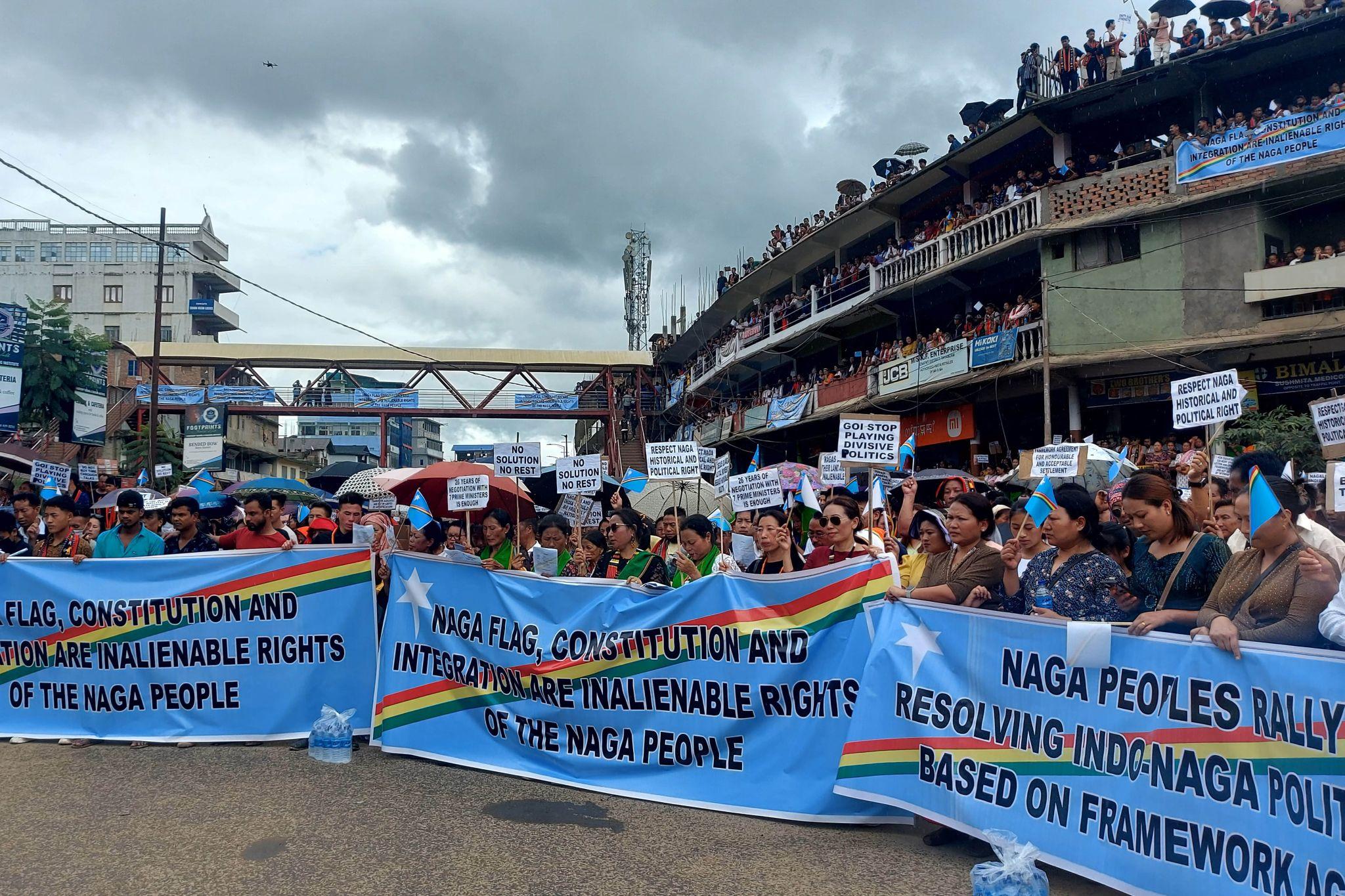
For decades, ENPO articulated a collective sense of neglect among the people of Eastern Nagaland. Chronic underdevelopment, poor connectivity, limited administrative reach, and minimal political influence created conditions in which the demand for a separate Frontier Nagaland state gained momentum. Crucially, this demand was not born merely of identity assertion but of lived exclusion. Rather than dismissing ENPO’s claims as disruptive or separatist, the Centre and the Nagaland government eventually chose engagement. The outcome—the FNTA—signals an important shift from denial to dialogue.
What distinguishes the ENPO-led agreement is its method as much as its substance. The FNTA promises enhanced administrative autonomy, targeted financial devolution, and institutional mechanisms tailored to Eastern Nagaland’s specific needs, all within the constitutional framework. Autonomy here is not framed as an erosion of sovereignty but as a means to correct structural imbalances. It acknowledges that uniform governance often fails in diverse regions and that asymmetrical arrangements can strengthen, rather than weaken, the state.
This negotiated model offers valuable lessons for regions like Manipur, where the violence that erupted in 2023 exposed the limits of a force-centric response to political grievances. The demands raised by the Kukis—for autonomy, political safeguards, or alternative administrative arrangements—have frequently been reduced to law-and-order issues or portrayed as threats to territorial integrity. The ENPO experience demonstrates a different path: sustained dialogue with representative bodies, recognition of historical grievances, and the crafting of bespoke institutions that restore confidence.
Autonomy need not imply fragmentation. The FNTA shows how decentralised authority, fiscal empowerment, and local control over development can provide dignity and security to communities without redrawing state boundaries. For the Kukis and other groups who feel politically marginalised or unsafe within existing state structures, a similar territorial or autonomous authority—negotiated transparently—could offer an exit from cycles of protest and repression.
Equally significant is the symbolism of the agreement. By engaging ENPO as a legitimate political representative and conceding a territorial authority, the state signals that constitutional imagination is still possible in the Northeast. In regions where distrust of institutions runs deep, such signals can de-escalate tensions and undercut the appeal of radical alternatives.
Of course, the real test lies ahead. The success of the FNTA will depend on faithful implementation—clear powers, timely funding, and accountable governance. Yet even at this stage, the ENPO-led agreement stands as a reminder that peace is more likely to be negotiated than enforced.
If India is serious about addressing autonomy demands across the Northeast, it must replicate this spirit of engagement. The Frontier Nagaland Territorial Authority offers a template—imperfect but promising—that communities like the Kukis can look to, and that the state would do well to adopt, to turn conflict into coexistence.