Every year on February 20, Mizoram pauses to remember a journey that is as turbulent as it is inspiring. Statehood Day is not merely a ceremonial observance marking Mizoram’s elevation to full statehood in 1987; it is a testament to a people who transformed conflict into one of India’s most compelling peace and development stories.
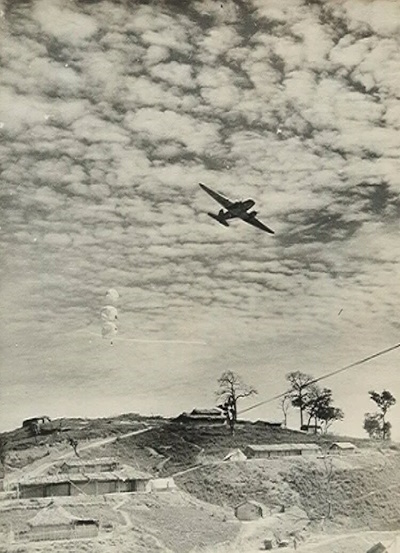
The road to statehood was paved with pain. The Mizo National Front (MNF), born out of grievances during the 1959 famine and subsequent political discontent, launched an armed insurgency in 1966 demanding independence from India. What followed remains one of the darkest chapters in independent India’s history: the bombing of Aizawl by the Indian Air Force in March 1966, ordered under the government of Prime Minister Indira Gandhi. It was the only time the Indian state used air power against its own citizens. Entire neighborhoods were reduced to rubble, and the scars of that moment still echo in collective memory. For many Mizos, the sound of those aircraft symbolized alienation and betrayal.
Yet history did not end in bitterness. Two decades later, the signing of the historic Mizoram Peace Accord in 1986 between the MNF and the Government of India changed the course of the state. The accord paved the way for full statehood on February 20, 1987, and marked one of the most successful peace processes in South Asia. Former insurgent leader Laldenga went on to become Chief Minister, demonstrating that reconciliation was not only possible but practical.
Today, Mizoram stands as evidence that political maturity and social cohesion can overcome even violent beginnings. The state consistently ranks among the best performers in human development indicators. According to Census data, Mizoram’s literacy rate stands at over 91 percent—one of the highest in India, second only to Kerala. Female literacy is equally impressive, reflecting the state’s strong emphasis on education and gender inclusion. In national surveys such as the NITI Aayog’s Sustainable Development Goals (SDG) Index, Mizoram has frequently emerged as a front-runner among northeastern states, performing strongly in areas like clean water access, health outcomes, and sustainable communities.
On social indicators, Mizoram also excels. Crime rates are comparatively low, and community-based governance rooted in strong church networks and local institutions fosters accountability and social harmony. The state has made remarkable strides in immunization coverage and maternal health. Its forest cover—over 85 percent of its geographical area—places it among India’s greenest states, reflecting a deep cultural respect for land and environment.
Economically, while Mizoram may not boast industrial giants, it has shown steady progress in infrastructure, connectivity, and urban development. Aizawl today is a vibrant hill capital, far removed from the shattered town of 1966. Roads, educational institutions, healthcare facilities, and digital connectivity have expanded significantly. The state’s focus on bamboo-based industries, horticulture, and sustainable agriculture highlights its attempt to align economic growth with ecological balance.
Statehood Day, therefore, is not just about constitutional status. It is about transformation—from insurgency to stability, from aerial bombardment to democratic ballots, from isolation to integration. Mizoram’s story challenges the narrative that conflict-ridden regions are doomed to perpetual unrest. Instead, it offers a model of how dignity, dialogue, and development can coexist.
As Mizoram celebrates today, it does so with the memory of resilience and the confidence of achievement. From the ashes of Aizawl rose not just rebuilt homes, but a renewed faith in democratic possibility.