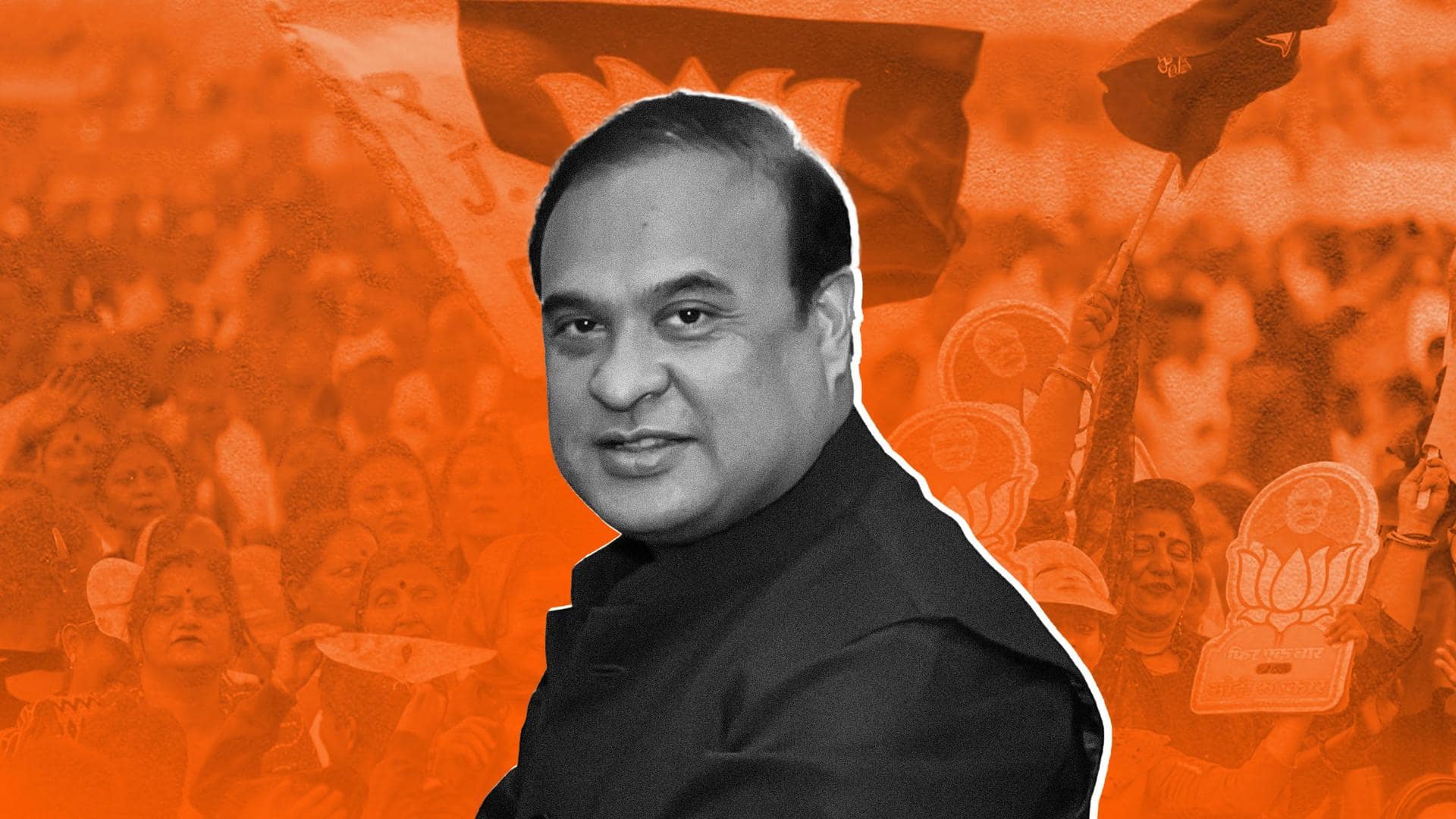
Himanta Biswa Sarma is a shrewd, unapologetically aggressive political operator. That effectiveness in winning power, however, does not excuse — and must not obscure — the extraordinary danger his recent rhetoric poses to communal peace in Assam. When a sitting chief minister moves from policy debates to explicitly targeting a named community, it does more than mobilise votes: it normalises exclusion and invites everyday harassment, vigilantism and administrative bias.
In recent weeks Sarma has publicly used the loaded label “Miya” — a colloquial term for Bengali-speaking Muslims in Assam that opponents argue has been weaponised to mark them as outsiders — and urged measures that would make life difficult for that community. Reports say he told crowds he and his party “oppose the Miya Muslims” and encouraged people to “put pressure” on them so they might leave the state. Such statements were widely reported and have drawn legal complaints and civil-society outrage.
These are not harmless slogans. Independent lawyers, activists and commentators have described the remarks as “prejudicial” and “alarmingly hateful,” warning that official endorsement of such language risks giving administrative cover to discrimination and human-rights violations. A police complaint was filed after the remarks, reflecting the gravity with which citizens and former jurists view the matter.
There is a clear pattern here: political framing that conflates ethnicity, language and religion with illegality. Sarma’s advocacy of mass objections and scrutiny during roll revisions — and his public encouragement to use bureaucratic tools against a community defined as “Miya” — transforms neutral administrative processes into instruments of exclusion. That weaponisation of government machinery against a targeted group has long-term, structural consequences for trust in the state.
The immediate risks are plain. Hate-laden rhetoric from a state chief executive lowers the threshold for everyday harassment — short-changing, eviction threats, denial of services — and makes communal flashpoints more likely to escalate into violence. Political leaders carry responsibility not only for law and order but for social tone-setting; when that tone is exclusionary, the burden falls disproportionately on vulnerable communities and on Assam’s fragile social fabric.
Dissent and law enforcement responses are vital: opposition leaders have publicly condemned the remarks and questioned the misuse of the Supreme Court’s name; civil-society groups have called for legal scrutiny. But answers cannot be only reactive. Assam needs clear institutional guardrails: independent scrutiny of hate speech by public officials, firm action when administrative processes are misused for communal ends, and a politics that prizes inclusion over demagoguery.
Criticising Mr Sarma’s rhetoric is not a partisan exercise; it is a defence of the rule of law and of Assam’s plural character. If the state’s leaders normalize prejudice, peace becomes a brittle thing — easily shattered and hard to rebuild. Assam deserves leadership that protects all its citizens, not one that defines some of them out of the polity.