The reported move to rename the Mahatma Gandhi National Rural Employment Guarantee Scheme (MNREGS) as “VB-G RAM G” is a classic case of symbolism masquerading as governance. At a time when rural distress, delayed wages, shrinking workdays, and administrative bottlenecks plague India’s flagship employment programme, tinkering with its nomenclature is not just frivolous—it is deeply misplaced.
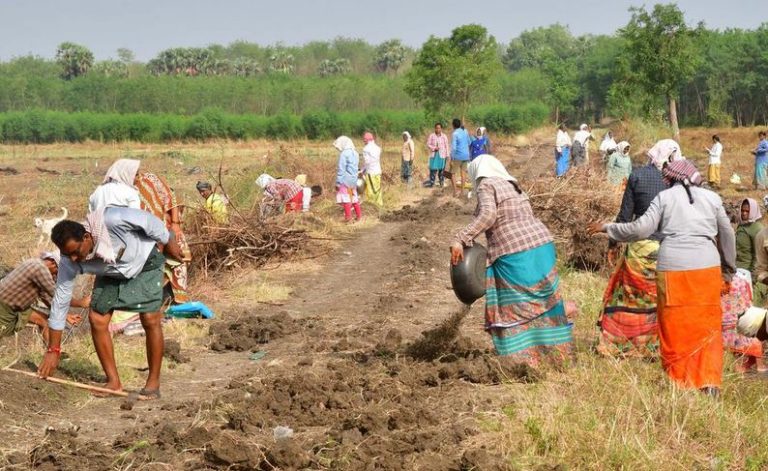
MNREGS is not merely a bureaucratic label. Over nearly two decades, it has become a lifeline for millions of rural households, guaranteeing 100 days of wage employment and acting as a shock absorber during agrarian crises, droughts, and economic slowdowns. Its name is widely recognised across villages, panchayats, banks, and administrative systems. To discard this institutional memory for an awkward, opaque acronym like “VB-G RAM G” is to prioritise branding over substance.
The proposed change reflects a troubling pattern in contemporary governance: the obsession with erasing the past rather than improving the present. Instead of fixing persistent problems—such as wage arrears, reduced budget allocations, Aadhaar-based exclusions, and delayed muster roll approvals—the focus shifts to cosmetic rebranding. Renaming a scheme neither creates jobs nor puts money into workers’ accounts. It merely diverts attention from policy failures.
More importantly, the renaming appears politically motivated. MNREGS carries the name of Mahatma Gandhi, a figure whose moral authority and legacy transcend party lines. Attempts to dilute or remove that association betray an ideological discomfort rather than an administrative necessity. Public welfare schemes are meant to serve citizens, not partisan narratives. The scheme’s credibility rests on its legal guarantee and implementation, not on whether its title aligns with the ideological preferences of those in power.
There is also a practical cost to such a change. Renaming a nationwide programme entails revising official documents, software portals, bank records, awareness materials, and legal references. For a scheme already burdened with procedural delays, this transition risks further confusion at the grassroots. Rural workers—many with limited literacy—identify MNREGS by name and symbol. Altering that identity without compelling reason undermines accessibility and clarity.
The silence on consultation is equally concerning. No broad-based dialogue with state governments, workers’ unions, or rural communities appears to have preceded this proposal. This top-down decision-making reinforces the perception that symbolism is being imposed without regard to lived realities. Governance by decree, especially in welfare policy, weakens trust.
If the intent is to improve rural employment, the path is obvious: ensure timely wage payments, restore adequate funding, expand permissible works, and strengthen social audits. If the aim is to modernise administration, invest in transparent systems that reduce exclusion. If the goal is dignity for labour, listen to workers. None of these objectives requires a name change.
The Government of India would do well to remember that MNREGS is judged not by what it is called, but by whether it works. Renaming it to “VB-G RAM G” may satisfy a political itch, but it does nothing to address rural hardship. In the end, governance is about delivery, not decoration—and changing the label on a struggling scheme is neither reform nor vision